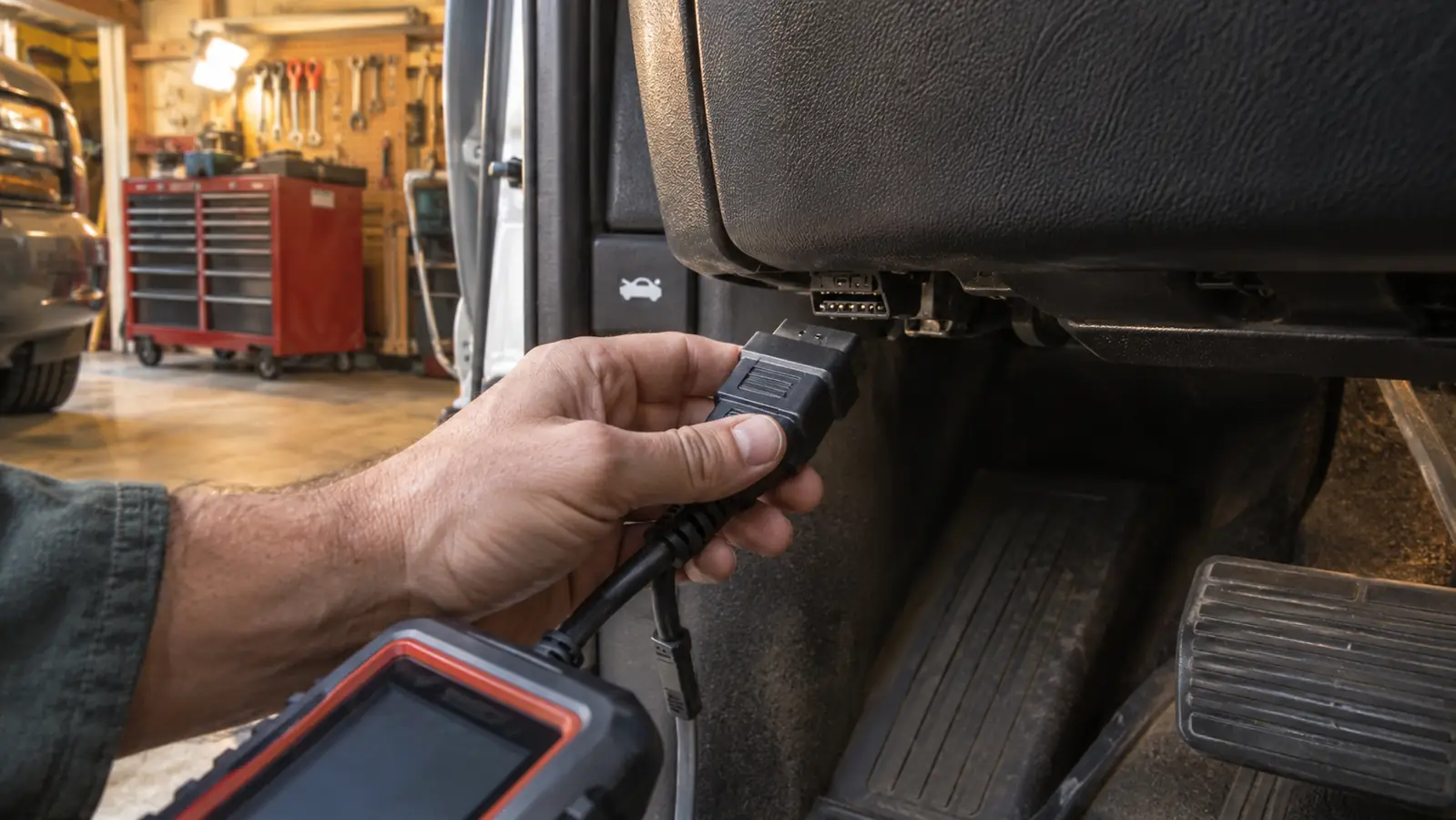
When my 2011 Ford F-150 threw a check-engine light a couple of years back, I did what I always did. I grabbed the basic code reader from the drawer, crawled under the dash, and plugged it into the OBD2 port. The little two-line screen gave me a code and a short description, and that was it. No context, no data, no hint about what the engine was doing when the code set. I cleared the code, figuring it was a fluke. The light came back a week later with the same code. I cleared it again. The third time it came back, on a Tuesday morning on the way to the hardware store, I decided I had to actually fix whatever was wrong. I replaced a part that looked worn, cleared the code again, and the light came back within ten days. That wasted Saturday, plus the cost of a part the truck did not need, is why I bought the BlueDriver OBD2 scanner. It pointed me to a bad oxygen sensor on the first try, and I have used it on both of our vehicles ever since. I have owned this F-150 since 2014, so I know this truck, and when it talks I listen. My garage is a detached two-car with a concrete floor, a rolling tool chest, a pegboard wall, and one shop light over the bench, so I do this work the same way most of you do: on my back, in my own garage, with the parts store on speed dial. It is also the reason I can tell you exactly where a basic code reader is still good enough and where it costs you more than it saves.
Here is the short answer. If you only want to read and clear an engine code on one older car, a basic reader will do that job and do it fine. If you want to know what is actually wrong before you buy parts, the BlueDriver is worth the difference. I spent 30 years fixing loaders and graders for the county road department, and I have kept my own vehicles going since long before that. Marlene's 2016 Honda CR-V gets the same treatment in my garage, and I have used both kinds of tools on both vehicles. No brand loyalty here and no sponsored anything. Just what I have seen with my own eyes and my own two hands. This is the honest breakdown.
| BlueDriver | Basic code reader | |
|---|---|---|
| What it shows | Reads and clears more codes, plus live data, freeze frames, smog readiness, and Mode 6 test results | Reads and clears basic engine codes only |
| How you read it | Bluetooth connection to the BlueDriver app on iOS or Android, no screen on the tool itself | Small built-in screen right on the tool |
| Coverage | All gas-powered vehicles made in 1996 or newer, plus select light-duty trucks | Most gas vehicles 1996 and newer, but coverage varies by brand and model |
| Wires | Plugs straight into the OBD2 port, connects wirelessly to your phone | Plugs straight into the OBD2 port, no phone needed |
| What it costs to keep using | No subscription, the app is included with the scanner | No subscription, nothing else to buy |
| Learning curve | Steeper at first, you have to get comfortable with the app | About as simple as a tool gets |
| Best for | DIY mechanics who want to diagnose before they buy parts | Someone who just wants to read a code and clear it |
Where BlueDriver Wins
The BlueDriver wins on the thing that actually matters: it points you at the cause instead of just handing you a code. When my F-150 threw the oxygen sensor code, the basic reader stopped at the code itself. The BlueDriver let me watch the sensor data live as the engine ran, pull the freeze frame from the exact moment the code set, and check the Mode 6 test results. I could see the sensor was slow to respond, which is the classic sign of a bad oxygen sensor, before I spent any money on a part. That is the difference between guessing and knowing. It is also the difference between one trip to the parts store and three. Living in California, I have to deal with smog checks, and the smog readiness monitors are a big deal here. A basic reader will not show you whether the monitors are ready. The BlueDriver will, which has saved me from driving across town to the smog station only to be sent home because a monitor had not finished its drive cycle. When Marlene's CR-V started running rough last spring, I plugged the BlueDriver in and it gave me a misfire code with a freeze frame that showed which cylinder it was and what the engine was doing at the time. I swapped the coil pack on that cylinder and the problem was gone. With the basic reader, I would have been guessing between plugs, wires, and coils, and I would have bought all three before I found the one that was bad.
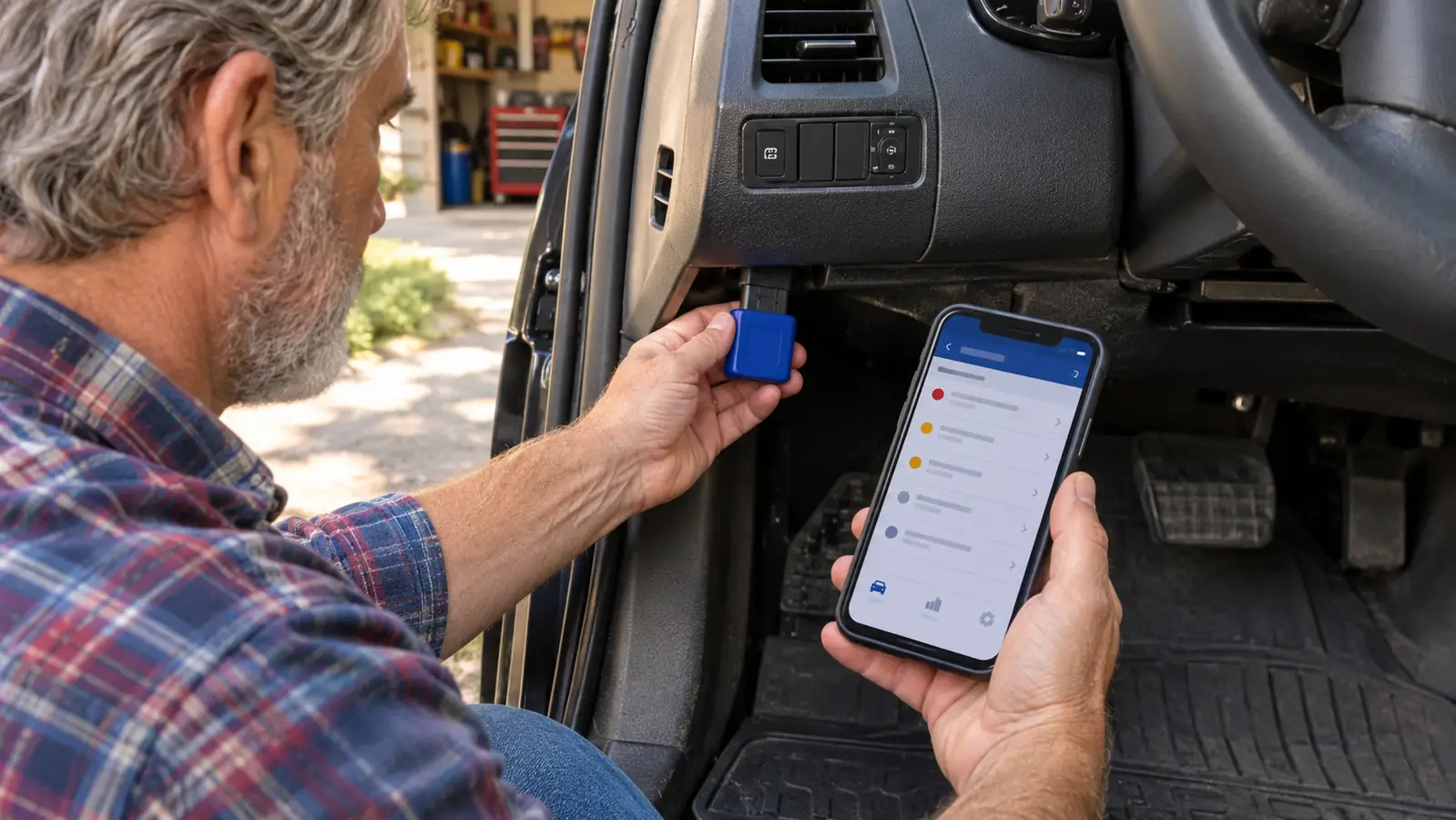
It also reads and clears more codes than a basic reader, and it covers all gas-powered vehicles made in 1996 or newer plus select light-duty trucks. That means it handles Marlene's 2016 CR-V just as easily as my F-150, and when Travis brings his car over from Sacramento, I can plug it in and get an answer without dragging out a second tool. The Bluetooth connection to the BlueDriver app on iOS or Android means there is no screen to squint at under the dash. I set the phone on the fender, read the code, and decide what to do next. The tool itself has no screen, which took me a minute to get used to, but it means the scanner rides in the glove box without getting in the way. When a problem is intermittent, the code can be gone by the time you get the tool on the car, and that is where the freeze frame earns its keep. It shows you what the engine was doing the moment the code set, which is the closest thing you have to being there when it happened. For a guy who spent 30 years with a shop manual in one hand and a wrench in the other, having that much information in my pocket instead of on a two-line display is a real step up.
Where a basic code reader wins
I am not going to tell you a basic code reader is worthless, because it is not. For a lot of people it is exactly the right tool. It is dead simple. You plug it in, read the code, clear the code, and you are done. There is no app to learn, no phone mount to fiddle with, and no screen brightness to fight in the sun. The tool is powered by the vehicle through the OBD2 port, so there are no batteries to charge and nothing to update. If you just want to know why the light is on and make it go away, a basic reader does that job in about sixty seconds, and it does it every time. I keep one in the drawer for exactly that reason, because sometimes the right answer is just to read the code and decide whether it is worth your Saturday. If the code is something simple, like a loose gas cap, you are done in the time it takes to fill the tank. And a basic reader is small. It fits in the same drawer as the owner's manual, and it does not care whether your phone is charged. That sounds like a small thing until you are standing in a parts store parking lot with a dead phone and a check-engine light.
It also wins on the learning curve. The BlueDriver has more capability, and more capability means more to learn. The first time I used it, I had to hunt around the app to find the freeze frame data. I am comfortable with that kind of thing after 30 years of reading service manuals, but I will not pretend it is as simple as a two-line display. A basic reader does not have that problem because it has nothing to hunt for. If you are not the kind of person who wants to dig into live sensor data on a Saturday afternoon, the simpler tool is genuinely the better tool for you. There is no shame in that, and there is no reason to pay for capability you will not use. I have a drawer full of specialty tools that seemed like a good idea at the time, and most of them get used once a year. The basic reader is not one of those. It earns its spot every time the light comes on, because it takes thirty seconds to rule out the simple stuff. The right tool is the one that fits the job you actually do, not the job you imagine doing.
A basic code reader tells you what code is stored. The BlueDriver tells you what the car was doing when it stored it, and that is where the diagnosis actually starts.
Stop guessing at check-engine codes
The BlueDriver plugs into your OBD2 port and connects to the app on your phone, so you can see live data, freeze frames, and smog readiness before you buy a single part.
Amazon Check Today's Price on Amazon →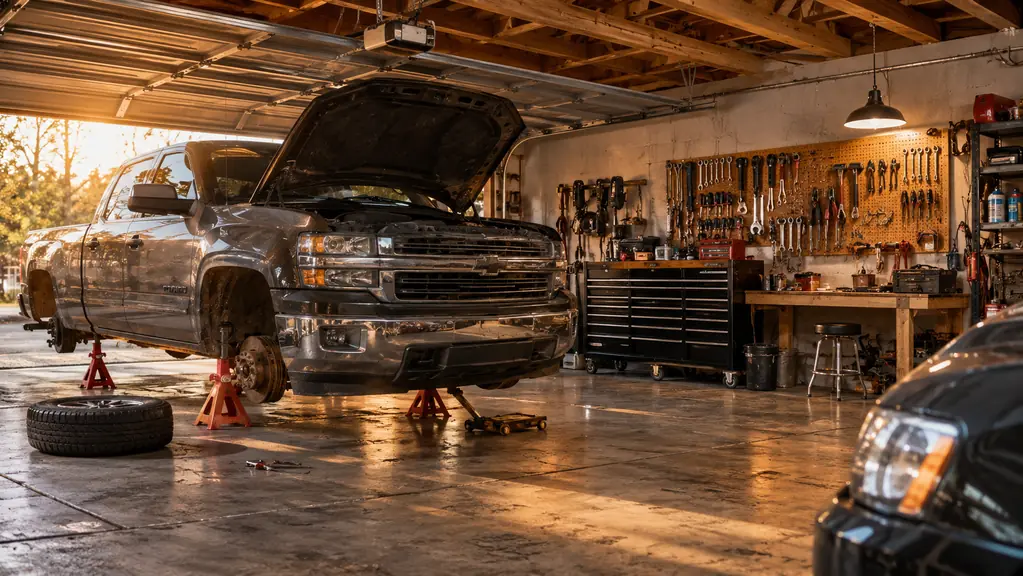
Who Should Buy Which
Buy the BlueDriver if you work on your own cars more than once a year, if you have more than one vehicle, or if you have ever cleared a code and watched the light come back a week later. That last one is the tell. If you have done that, you already know that a code is not a diagnosis. You are ready for a tool that gives you live data, freeze frames, smog readiness, and Mode 6 test results before you spend money on parts. The BlueDriver app is included with the scanner, so there is no subscription to keep up with, and the scanner works with any gas-powered vehicle made in 1996 or newer, which covers just about everything in your driveway. The included components are the scanner and access to the app on iOS or Android, and that is the whole deal. No monthly fee, no pay-per-report, no premium tier that holds back the data you actually need. That is how a tool should work.
Buy a basic code reader if your goal is to read a code and clear it, full stop. If you have one older car, you are not planning to dig into sensors, and you would rather hand the real diagnosis to a shop than figure it out yourself, the basic reader is not a compromise. It is the right amount of tool for that job. I have learned over the years that the best tool is the one that fits the job you actually do. If the job you actually do is reading and clearing a code twice a year, save your money and keep the basic reader in the drawer. There is nothing wrong with letting a shop run the diagnosis. Sometimes that is the smartest thing you can do, especially if the car is under warranty or the problem is in a system you do not want to touch. A basic reader will still tell you the code, and that code is useful information to have before you call the shop. You can walk in knowing what system is acting up, which keeps the shop honest and helps you understand what they are quoting.
For me, the BlueDriver paid for itself the first time it stopped me from replacing a good part. That was the oxygen sensor job on the F-150. The basic reader said the sensor was bad, but the BlueDriver showed me the sensor data and confirmed it before I bought anything. I have had the scanner for about two years now, and it has earned its spot in the glove box. If you are the kind of person who reads the service manual for fun, like I am, you will feel the same way. If you are not, there is no shame in the basic reader. Just know what you are buying before you buy it, and buy the tool that matches the work you actually do. For me, that means the BlueDriver, because I would rather spend a Saturday knowing than spend three Saturdays guessing. And the money I saved on that one unnecessary part covered a good share of the scanner. The next time the CR-V or the F-150 talks to me, I will have the answer before I start turning wrenches.
Get the diagnostic tool that pays for itself
Read and clear more codes, watch live data, and check smog readiness before you buy parts. No subscription, and it works with gas vehicles from 1996 and newer.
Amazon Check Today's Price on Amazon →